“Fly to Baku. Art Weekend. Sense the Future NOW” presents performances and interactive projects creating new connections between people, nature and memory
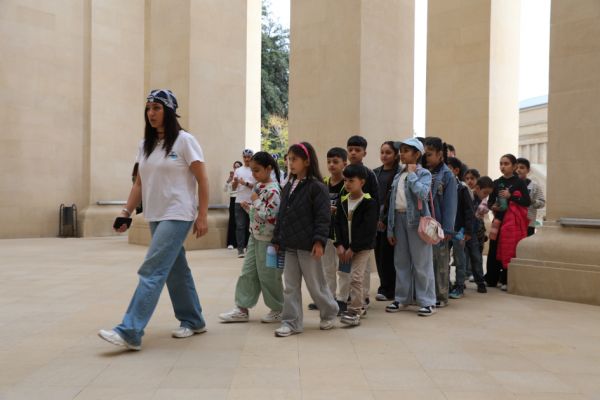
Taking place in Baku from 30 October to 1 November 2026, “Fly to Baku. Art Weekend. Sense the Future NOW” brings together a broad range of contemporary artistic practices, while presenting a series of performance-based, immersive and interactive projects that encourage audiences to engage directly with the works and become part of the artistic experience.
This strand of the programme considers the connections between people and the natural world, environmental responsibility, memory, inclusivity and the question of what will remain for future generations.
The documentary “The Hammer” examines the life and career of de Pury, former chairman of Sotheby’s. Directed by Simon Vallon, the film explores the complex relationship between art and the international auction business, looking at how works acquire value and at the people and relationships that influence that process. It follows de Pury’s career from his early years in Basel through his time at Sotheby’s and his involvement in landmark auctions featuring works by artists including Damien Hirst, Jean-Michel Basquiat and Paul Gauguin.
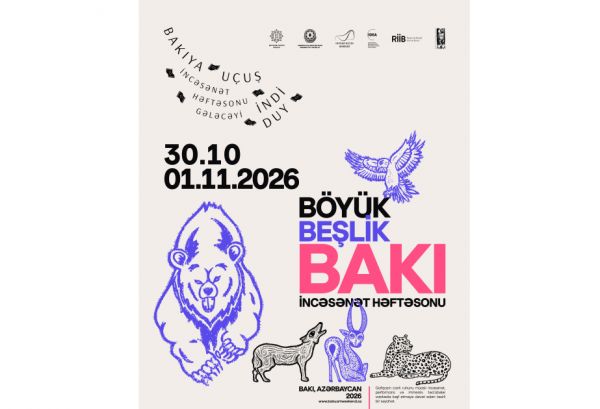
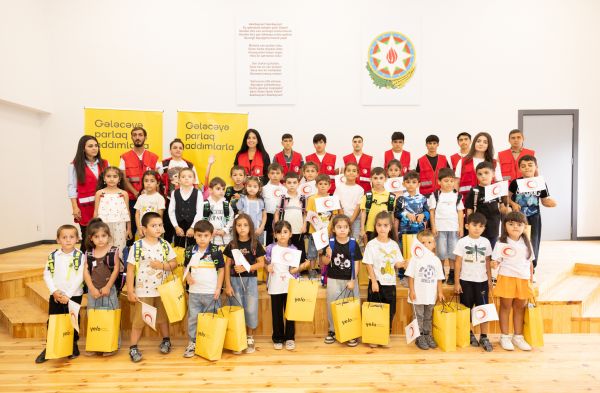
Created for young audiences, the interactive environmental programme “The Wild Five” introduces participants to five emblematic animals of the Caucasus - the Eastern imperial eagle, Caucasian leopard, grey wolf, jeyran and brown bear. Through a multisensory programme of five interactive workshops, children explore the distinctive ways in which these animals see, hear and move, gaining a closer understanding of the natural world from an animal’s perspective.
Music, movement, sound and natural materials form an integral part of the experience, which culminates in the creation of artworks inspired by the symbols and characteristics of “The Wild Five”. The programme is designed for children across different age groups.
The project continues in the form of “The Wild Five”, a 30-minute theatrical and musical performance that transports audiences into the world of wildlife. Actors take on the roles of the Eastern imperial eagle, Caucasian leopard, grey wolf, jeyran and brown bear, while masks, physical theatre and live sound create an immersive stage environment.
Wind, rustling grass, animal breathing, the beating of wings and the distant howl of a wolf gradually merge into a single musical composition. Both the interactive programme and the performance will take place at the Stone Chronicle Museum. The performance is suitable for children aged 10 and above.
Russian artist Konstantin Soldatov’s immersive audiovisual performance-meditation Our Home invites audiences into a layered landscape of personal memory and the sounds of Baku. Lasting approximately 35 minutes, the work moves away from the traditional separation between stage and audience, allowing the architecture and interior of the venue to become an active part of the dramaturgy.
The sounds of the Caspian Sea and the Khazri wind, seagulls and Icherisheher are interwoven with the writer’s voice and characters speaking in different languages. Together, they form an evocative portrait of the city and lead audiences through different layers of Baku’s memory. The project will be presented at the Maksud Ibrahimbeyov Creative Center.
From 30 October to 1 November, the Centre for Contemporary Art will host Flight Without Borders, an inclusive multidisciplinary project by DanceAbility Azerbaijan. Centred on the Eastern imperial eagle, other birds of prey and bird species included in Azerbaijan’s Red Data Book, the project examines the effects of human activity and infrastructure on their natural habitats.
The project brings together an inclusive digital dance performance, texts and illustrations, interactive games and panel discussions. It has been developed with the direct participation of people with disabilities, whose involvement forms an integral part of the creative process.
At the Stone Chronicle Museum, Orkhan Nabizadeh’s Ancient Stone, Contemporary Memory draws on the rock art of Gobustan to reinterpret five symbols of Azerbaijan’s natural heritage through contemporary sculpture. The Caucasian leopard, jeyran, grey wolf, brown bear and Eastern imperial eagle are transformed into sculptural images of contemporary memory.
Drawing a connection between the ancient practice of recording the natural world in stone and the present day, the project invites audiences to consider the traces of nature that will remain for generations to come - and the living heritage that may otherwise disappear.
Also presented at the Stone Chronicle Museum, Elvin Nabizadeh’s Radius of Responsibility examines the subtle relationship between human presence and wildlife. Two sculptures, depicting a Caucasian leopard and a jeyran, respond to the movements of visitors through a specially designed lighting system.
As a visitor approaches, their body interrupts the light and the animal disappears into darkness. When the visitor steps away, the sculpture becomes visible again. Through this simple yet powerful physical interaction, the work turns an abstract idea of responsibility into a direct and memorable experience, allowing each visitor to sense how individual presence can affect another living being.
At the Miniature Museum, Ark of the Future reflects on the preservation of the living world through the enduring image of Noah’s Ark. Filled with people, animals, birds and plants, the vessel becomes a symbol of the interconnectedness of nature and civilization. The project brings together the historical tradition of the bestiary - the preservation of images and knowledge of living creatures - with the contemporary idea of protecting the diversity of life for the future.
Discover the Full Festival Programme in the Fly to Baku App
These projects, together with many other events and exhibitions, can be discovered through the official Fly to Baku mobile app.
The app brings together the complete Art Weekend programme, event and venue information, the latest updates and selected highlights from previous editions, providing visitors with a single platform through which to plan their experience. It also offers a new way of discovering Baku through art, culture and creative encounters.
After downloading the app, visitors can register, select the events they would like to attend and choose their preferred visiting times. Once registration is complete, the QR code available in each user’s profile functions as a single ticket for all selected events.
The festival programme extends across cultural landmarks and contemporary venues throughout Baku, from the Heydar Aliyev Center to the Palace of the Shirvanshahs and the Stone Chronicle Museum. An interactive map allows visitors to locate exhibitions, performances and other artistic projects, turning the Art Weekend into a journey through the city as much as through its cultural programme.
From 30 October to 1 November, the Fly to Baku app will serve as the central digital guide to exhibitions, performances, interactive projects and other events taking place across Baku.
The Fly to Baku mobile app is available for Android and iOS.
For further enquiries, please contact [email protected].